
 The music industry has long been associated with creativity, passion, and unforgettable performances. However, behind the applause and success, many musicians quietly struggle with substance abuse and mental health challenges. Long tours, intense schedules, public expectations, and emotional pressure can create an environment where addiction takes hold. While these struggles are real, they are not the end of the story. Countless artists have shown that recovery is possible through professional addiction treatment, compassionate mental health care, and personalized support. Their journeys offer hope to anyone facing similar challenges.
Why Musicians Face a Higher Risk of Substance Abuse
A career in music often comes with unique pressures that can affect emotional and physical well being. Performing in front of large audiences, traveling constantly, and balancing personal life with professional demands can become overwhelming.
Many musicians experience:
- Chronic stress from demanding schedules.
- Anxiety related to live performances or public expectations.
- Depression caused by isolation, burnout, or personal struggles.
- Irregular sleep and poor daily routines while touring.
- Easy access to alcohol and drugs in entertainment settings.
For some individuals, substances become a way to cope with these challenges. Unfortunately, temporary relief can gradually develop into dependence, affecting health, relationships, and careers.
Understanding the Connection Between Mental Health and Addiction
Substance abuse rarely develops without underlying factors. Many people living with addiction also experience co-occurring mental health conditions such as anxiety, depression, or unresolved trauma.
When emotional pain remains untreated, alcohol or drugs may be used to numb difficult feelings. Although this may provide short term relief, it often leads to a cycle that becomes increasingly difficult to break.
This is why effective recovery addresses both addiction and mental health together. Treating one without the other may leave important issues unresolved.
Recovery Begins with a Decision to Seek Help
One of the most inspiring lessons from musicians who have overcome addiction is that recovery starts with asking for help. Admitting that professional treatment is needed takes courage, but it also opens the door to lasting healing.
Recovery is not about giving up personal identity or creativity. Instead, it creates the opportunity to regain physical health, emotional balance, and a renewed sense of purpose.
Comprehensive Treatment Supports Lasting Recovery
Every person’s recovery journey is unique. The most successful treatment programs provide individualized care that addresses both substance use and mental health concerns.
Inpatient Treatment Creates a Strong Foundation
Inpatient treatment offers a structured environment where individuals can focus completely on recovery. Medical supervision, counseling, behavioral therapy, and peer support help stabilize both physical and emotional health during the early stages of treatment.
For individuals with severe addiction or co-occurring disorders, inpatient care provides the safety and consistency needed to begin healing.
Outpatient Care Encourages Continued Progress
Outpatient treatment allows individuals to receive professional support while returning to work, family responsibilities, or creative activities. Therapy sessions, relapse prevention planning, and recovery coaching help reinforce healthy coping strategies in everyday life.
Many people continue outpatient care after completing inpatient treatment to strengthen long term recovery.
Holistic and Faith Based Healing
Recovery is about healing the whole person, not only ending substance use. Holistic treatment may include mindfulness, physical fitness, nutritional counseling, meditation, and creative therapies that improve emotional wellness.
Faith based recovery programs offer additional support for individuals who find strength through spiritual growth, compassion, and community.
Personalized Treatment Plans Improve Outcomes
No two people experience addiction in exactly the same way. Individualized treatment plans consider each person’s history, mental health needs, personal goals, and life circumstances.
This personalized approach allows treatment providers to develop strategies that support sustainable recovery and long term success.
Rebuilding Life After Addiction
Recovery continues long after formal treatment ends. Musicians who rebuild their lives often discover healthier ways to manage stress while reconnecting with their passions and personal relationships.
Important steps in rebuilding include:
Creating Healthy Daily Habits
Consistent sleep, proper nutrition, exercise, and self care help restore physical and emotional health while reducing relapse risk.
Strengthening Support Systems
Family members, trusted friends, therapists, and recovery communities provide encouragement, accountability, and understanding throughout the recovery journey.
Developing Better Coping Skills
Learning how to manage stress, disappointment, and emotional challenges without substances is one of the most valuable parts of long term recovery.
Rediscovering Creativity
Many musicians find that sobriety allows them to reconnect with their artistic abilities in healthier and more authentic ways. Recovery often enhances creativity by improving emotional clarity and overall well being.
Recovery Offers Hope for Everyone
Although musicians may experience unique career pressures, the lessons from their recovery journeys apply to anyone struggling with addiction. Substance abuse can affect people from every background, profession, and stage of life.
The encouraging news is that professional treatment works. With compassionate care, evidence based therapies, mental health support, and individualized recovery planning, people can rebuild their lives and create healthier futures.
Conclusion
The journey from chaos to recovery is rarely easy, but it is always possible. Musicians who have overcome substance abuse remind us that addiction does not define a person’s worth or future. Through comprehensive addiction recovery services, mental health treatment, and personalized care that may include inpatient, outpatient, holistic, and faith based approaches, lasting healing can become a reality.
If you or someone you love is struggling with substance abuse, reaching out for professional support is a powerful first step. Recovery is more than overcoming addiction. It is about restoring hope, rebuilding relationships, improving mental wellness, and creating a life filled with purpose, stability, and lasting health.
 The music industry is often associated with passion, creativity, and unforgettable performances. Fans see sold out arenas, chart topping albums, and the excitement of life on the road. Yet behind the spotlight, many musicians face a very different reality. Long hours, emotional pressure, constant travel, and public expectations can contribute to substance abuse and mental health challenges that remain hidden from view. While addiction has affected countless artists throughout the history of rock music, it does not have to define the future. With compassionate addiction treatment, personalized care, and ongoing mental health support, recovery is possible.
 The world of rock and roll has always been built on passion, emotion, and pushing boundaries. Behind the music, fame, and unforgettable performances, however, many rock stars have faced a difficult battle with substance abuse and mental health challenges. The phrase “sex, drugs, and rock and roll” became part of popular culture, but behind that image are real people dealing with stress, trauma, pressure, and addiction. The stories of musicians who have struggled and found healing show an important truth: addiction does not have to define a person’s future. With compassionate addiction treatment, mental health support, and individualized care, recovery is possible.
 Rock and roll has always represented freedom, rebellion, and raw emotion. It is a genre built on intensity, creativity, and pushing boundaries. Yet behind the powerful music and iconic performances, there is another reality that is often hidden from view. Many musicians in rock and roll culture have faced substance abuse and mental health challenges that deeply affect their lives and careers. While these struggles are real and often difficult, recovery is equally real. With the right addiction treatment, mental health care, and individualized support, healing and long term stability are possible.
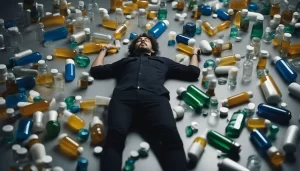 Touring is often seen as the most exciting part of a musician’s career. Sold out shows, travel across countries, and constant connection with fans create an image of freedom and success. However, behind the scenes, tour life can also bring intense pressure, isolation, exhaustion, and easy access to substances. For many musicians, these conditions increase the risk of addiction and mental health challenges. The encouraging reality is that recovery is possible. With the right addiction treatment, mental health support, and individualized care, musicians can move from tour life to treatment and rebuild meaningful, stable lives.
 The world of rock and roll is often associated with excitement, creativity, and freedom. From sold out arenas to international tours, musicians can appear to live lives filled with energy and success. Yet behind the fame, many artists face a very different reality. The pressure to perform, constant travel, emotional exhaustion, and easy access to substances can create serious risks for addiction and mental health struggles. Understanding how the rock and roll lifestyle contributes to substance abuse is an important step toward encouraging healing, recovery, and long term wellness.
 Rock music has always told the truth in loud, emotional, and sometimes uncomfortable ways. It captures freedom, rebellion, pain, and redemption in a way few other art forms can match. But behind the iconic songs and larger-than-life performances, many musicians have also lived through a difficult reality shaped by substance abuse and mental health struggles. Their stories are not just cautionary tales. They also offer powerful lessons about addiction, recovery, and the possibility of healing through structured treatment, compassionate care, and long-term support.
 Rock music has always carried a powerful image of freedom, rebellion, and creativity. From sold out arenas to global fame, rock stars often appear to live extraordinary lives. Yet behind the spotlight, many musicians face a much harder reality: substance abuse and mental health challenges that are often hidden from public view. The pressure of fame, constant touring, and emotional intensity of the music industry can create conditions where addiction develops quietly and rapidly. The encouraging truth is that recovery is possible, and many artists have found healing through professional addiction treatment, mental health care, and individualized recovery support.
 Fame in the music industry often comes with admiration, wealth, and influence. However, behind the spotlight, many musicians face a far more complicated reality involving substance abuse and mental health struggles. The pressure to perform, constant public attention, and the demands of touring can create an environment where addiction takes hold. Despite these challenges, many musicians have overcome substance use disorders and rebuilt their lives. Their recovery journeys offer powerful lessons in hope, resilience, and the importance of professional addiction treatment and mental health care.
 Rock music has always been defined by intensity, creativity, and emotional depth. Behind the powerful performances and global fame, however, many musicians face a difficult and often hidden reality: addiction and mental health challenges. The pressure of constant touring, public expectations, and the demands of the music industry can take a serious toll on emotional well-being. For some rock stars, substance use becomes a way to cope. The encouraging truth is that recovery is possible, and many artists have found second chances through professional addiction treatment, mental health care, and personalized healing programs.