From Chaos to Clarity: Recovery Stories of Legendary Musicians

Behind the electrifying performances, chart-topping albums, and global fame, many legendary musicians have faced a quieter and more painful battle: addiction. The music industry can be a world of extremes, where creative brilliance often coexists with intense pressure, emotional exhaustion, and substance abuse. Yet within these stories of chaos, there is also something powerful: recovery. Many musicians have moved from addiction to healing, showing that clarity, stability, and purpose are possible through professional addiction treatment, mental health support, and personalized recovery care.

The Hidden Struggle Behind Musical Fame

To the outside world, rock stars often appear larger than life. However, fame does not protect anyone from mental health challenges or substance use disorders. In fact, the demands of the music industry can increase vulnerability to addiction.

Touring schedules disrupt sleep and daily structure. Public expectations create ongoing performance pressure. At the same time, substances may become part of the environment, making it harder to avoid unhealthy coping mechanisms. Over time, what may begin as experimentation or stress relief can evolve into dependency.

Understanding this reality helps shift the conversation away from judgment and toward compassion and effective treatment.

When Chaos Takes Over

For many musicians, addiction does not appear suddenly. It develops gradually, often alongside untreated emotional pain or mental health conditions such as anxiety or depression. As substance use increases, life can begin to feel unstable and unpredictable.

Common consequences include:

  • Strained relationships with family, friends, and bandmates
  • Declining physical and mental health
  • Loss of creative control and motivation
  • Career setbacks or missed opportunities

This stage is often described as chaos. Yet it is also the moment where many individuals begin to recognize the need for change.

The Turning Point Toward Recovery

Recovery often begins with a single decision to seek help. For musicians, this decision can be life changing. It is not about abandoning identity or creativity. It is about reclaiming both.

Seeking support through addiction recovery services allows individuals to step away from harmful cycles and begin building healthier coping strategies. With the right treatment, chaos can gradually shift into clarity.

Pathways That Lead to Healing

Recovery is not one size fits all. Legendary musicians who have found lasting sobriety often credit a combination of treatment approaches tailored to their needs.

Inpatient Treatment for Deep Stabilization

Inpatient care provides a structured environment where individuals can focus fully on healing. With medical supervision, therapy sessions, and emotional support, this level of care helps stabilize both physical dependence and mental health challenges. It is often the foundation for early recovery success.

Outpatient Programs for Continued Growth

Outpatient treatment allows individuals to continue therapy while maintaining daily responsibilities. This approach supports long term recovery by reinforcing coping skills in real world environments. It also helps individuals stay connected to professional guidance while rebuilding their lives.

Holistic and Faith Based Healing

Many musicians find strength in holistic recovery practices. Mindfulness, physical activity, nutrition, and creative expression all support emotional regulation and long term wellness.

Faith based programs can also provide meaning, purpose, and community support. These elements often become essential in sustaining recovery beyond early treatment.

Individualized Treatment Plans

No two recovery journeys are the same. Personalized care plans address mental health history, trauma, lifestyle, and personal goals. This individualized approach ensures that treatment is relevant, effective, and aligned with long term healing.

Lessons from Legendary Musicians in Recovery

The stories of musicians who have overcome addiction offer important lessons that apply far beyond the stage.

First, honesty is essential. Acknowledging the problem is often the moment healing begins. Second, professional help matters. Recovery is far more effective when guided by trained mental health and addiction specialists. Third, support systems are powerful. Family, peers, and treatment communities provide accountability and encouragement.

Finally, recovery is ongoing. It requires commitment, patience, and continued self care. But it also opens the door to renewed creativity, stronger relationships, and improved mental health.

Supporting Recovery Beyond Treatment

Healing does not end when treatment does. Musicians often rebuild their lives through structure, healthy habits, and meaningful connection. Creative expression can also play a powerful role in recovery, helping individuals process emotions and rediscover purpose.

For those around them, support and understanding make a significant difference. Reducing stigma and encouraging treatment can help more individuals take the first step toward recovery.

Conclusion

From chaos to clarity, the recovery journeys of legendary musicians show that addiction does not have to define a life. With compassionate addiction treatment, mental health support, and individualized care that may include inpatient, outpatient, holistic, or faith based approaches, lasting healing is possible.

If you or someone you love is struggling with substance use or mental health challenges, reaching out for help is a powerful first step. Recovery is not just about overcoming addiction. It is about rebuilding stability, rediscovering identity, and creating a future filled with clarity, purpose, and hope.

Life on the Edge: Substance Abuse and Healing in the Rock & Roll World

Rock and roll has always been defined by intensity. Loud stages, global tours, creative pressure, and constant reinvention come with the territory. But life on the edge also carries a hidden cost. For many musicians, substance abuse becomes intertwined with the lifestyle, turning excitement into dependency and creativity into struggle. The good news is that recovery is not only possible, it is happening every day through compassionate addiction treatment, mental health care, and individualized recovery programs designed to restore balance and hope.

The Reality Behind the Rock & Roll Lifestyle

While fans often see fame as freedom, the reality for many musicians is far more complicated. The demands of the music industry can create emotional and physical exhaustion. Constant travel disrupts sleep, performance expectations create anxiety, and public scrutiny adds pressure that never fully goes away.

In this environment, alcohol or drugs may seem like a way to cope. What begins as occasional relief can slowly turn into dependence. Over time, substance use can affect relationships, mental health, creativity, and physical well-being. Understanding this progression is essential for both prevention and recovery.

Why Substance Abuse Develops in Musicians

Substance abuse in the rock world does not happen in isolation. It is often the result of multiple overlapping factors.

  • Chronic stress and performance pressure: Musicians are expected to perform at a high level consistently, regardless of personal struggles.
  • Unstructured routines: Touring life often removes stability, making healthy habits harder to maintain.
  • Industry culture: In some environments, substance use is normalized or even encouraged.
  • Underlying mental health conditions: Anxiety, depression, and trauma can increase vulnerability to addiction.

Recognizing these risk factors is not about assigning blame. It is about creating understanding, which is the foundation of meaningful recovery.

Understanding Addiction as a Health Condition

Addiction is not a lack of discipline or willpower. It is a medical condition that affects brain chemistry, behavior, and emotional regulation. For musicians, this is especially important to understand because untreated mental health issues often exist alongside substance use.

Effective recovery must address both the addiction and its underlying causes. Without this integrated approach, long term healing becomes more difficult.

Paths to Healing in the Rock & Roll World

Recovery is not one size fits all. Every individual requires a personalized plan that reflects their life experiences, mental health needs, and goals for the future.

Inpatient Treatment for Focused Recovery

Inpatient care provides a structured and supportive environment where individuals can step away from triggers and focus entirely on healing. This level of care often includes medical supervision, therapy sessions, group support, and relapse prevention planning. It is especially beneficial for those experiencing severe substance dependence or co occurring mental health challenges.

Outpatient Programs for Flexible Support

Outpatient treatment allows individuals to receive care while maintaining work, family, or creative responsibilities. Therapy sessions, counseling, and ongoing support help individuals build recovery skills in real time. This approach is often effective for those transitioning from inpatient care or those with moderate substance use concerns.

Holistic and Faith Based Healing

Healing is not only physical. Holistic treatment focuses on restoring balance across mind, body, and spirit. Practices such as mindfulness, exercise, nutrition, and creative expression can help rebuild emotional stability.

Faith based approaches offer additional support through spiritual connection, community, and purpose. For many individuals, this dimension of healing provides strength during difficult moments in recovery.

Individualized Treatment Plans

No two recovery journeys are the same. Personalized treatment plans take into account mental health history, trauma, lifestyle demands, and personal goals. This individualized approach improves engagement in treatment and supports long term success by meeting people exactly where they are.

Lessons from Recovery in the Music Industry

Many musicians who have overcome addiction share similar lessons that apply far beyond the stage.

First, acknowledging the problem is a turning point. Denial often delays healing, while honesty opens the door to support. Second, professional help is essential. Recovery is not something most people can achieve alone. Third, support systems matter. Friends, family, and peers play a powerful role in accountability and encouragement.

Finally, recovery is ongoing. It is not a single decision but a daily commitment to healthier choices and self awareness.

Supporting Healing Beyond the Spotlight

Recovery extends beyond treatment. It continues in daily life, relationships, and creative expression. Music itself can be a powerful tool for healing, offering emotional release and connection. For those in recovery, rebuilding routines, setting boundaries, and engaging in meaningful activities are key steps toward stability.

Communities, fans, and loved ones also play an important role. Reducing stigma and offering understanding can make it easier for individuals to seek and maintain recovery.

Conclusion

Life on the edge in the rock and roll world can be both inspiring and challenging. While substance abuse has impacted many musicians, it does not define their future. With professional addiction treatment, mental health support, and personalized care that may include inpatient, outpatient, holistic, or faith based approaches, healing is possible.

If you or someone you love is struggling with substance use, reaching out for help is a powerful first step. Recovery is not about losing who you are. It is about rediscovering stability, health, and purpose. In the right environment, healing becomes not just possible, but life changing.

Behind the Music: How Rock Stars Confront Addiction and Find Recovery

Rock music has always been synonymous with energy, rebellion, and creativity. Yet behind the stage lights and sold-out concerts, many rock stars face a silent struggle: addiction. The combination of fame, constant pressure, and easy access to alcohol and drugs can create an environment where substance abuse thrives. Despite these challenges, countless musicians have found hope, healing, and long-term recovery. Their journeys provide valuable insights into overcoming addiction and building a healthier, more fulfilling life.

Understanding Addiction in the Rock Industry

Addiction is a complex condition that affects both the brain and behavior. It is not a moral weakness or a failure of character. In the rock music world, the risk of substance abuse is heightened by several factors:

  • High-pressure environments: Constant touring, late-night performances, and public scrutiny create stress and emotional strain.
  • Easy access to substances: Alcohol and drugs are often readily available in social and performance settings.
  • Co-occurring mental health conditions: Anxiety, depression, and trauma can increase vulnerability to addiction.

Recognizing addiction as a medical and psychological condition is the first step toward recovery. Professional support and compassion are essential for anyone seeking to reclaim control over their life.

Why Musicians Seek Recovery

For many rock stars, addiction begins as a way to cope with stress or enhance performance but can quickly spiral into dependency. Recovery becomes a turning point when the negative consequences of substance use—such as strained relationships, declining health, or career setbacks—outweigh the temporary relief substances provide.

Seeking help is an act of strength. Recovery allows musicians to restore their physical and mental health, rebuild relationships, and continue pursuing their creative passions with clarity and purpose.

Paths to Recovery for Rock Stars

Recovery is a personal journey, and there is no single approach that works for everyone. Successful treatment often combines professional care, holistic strategies, and ongoing support.

Inpatient and Outpatient Programs

Inpatient programs provide a structured, supportive environment where individuals can focus entirely on recovery. These programs include medical supervision, therapy, and relapse prevention planning. Outpatient programs allow musicians to continue daily responsibilities while participating in therapy, counseling, and support groups. Both approaches can be customized to meet the unique needs of each individual.

Holistic and Faith-Based Approaches

Holistic recovery addresses the mind, body, and spirit. Mindfulness, exercise, creative expression, and nutrition support overall well-being and reduce stress. Faith-based programs provide spiritual guidance and a sense of community, helping individuals find meaning, purpose, and connection in their recovery journey.

Individualized Treatment Plans

Every addiction story is unique. Individualized treatment plans take into account mental health history, personal goals, lifestyle demands, and trauma experiences. Tailored care improves engagement, fosters resilience, and increases the likelihood of lasting recovery.

Lessons from Rock Stars Who Have Overcome Addiction

Many musicians have publicly shared their experiences with addiction and recovery. Common lessons include:

  • Acknowledging the problem: Accepting the reality of addiction is a critical first step.
  • Seeking professional support: Therapy, medical care, and structured treatment programs provide guidance and safety.
  • Building strong support networks: Family, friends, and peers offer encouragement and accountability.
  • Committing to long-term recovery: Healing requires continuous effort, healthy habits, and lifestyle adjustments.

These stories illustrate that recovery is not only possible but also transformative, helping musicians regain control of their lives and careers.

Supporting Recovery Beyond the Stage

Recovery is strengthened by a supportive environment. Friends, family, and fans can encourage healthy routines, reduce stigma, and celebrate milestones. Music itself can be therapeutic, offering emotional release, inspiration, and a sense of purpose throughout the healing process.

Conclusion

Addiction in the rock industry is a serious challenge, but recovery is achievable. With professional addiction treatment, comprehensive mental health care, and personalized support that may include inpatient, outpatient, holistic, or faith-based approaches, musicians—and anyone struggling with substance use—can reclaim their lives. If you or a loved one are facing addiction, reaching out for help today can start a journey toward hope, healing, and a renewed sense of purpose. Recovery is not just about leaving addiction behind—it is about building a life full of health, creativity, and lasting fulfillment.

Sex, Drugs, and Second Chances: Recovery Stories from the Rock World

The world of rock music is often associated with high energy, fame, and rebellion. Yet behind the music and the performances, many rock stars have faced the harsh reality of addiction. Alcohol, drugs, and the pressures of fame can create a dangerous environment that affects both mental and physical health. Despite these challenges, countless musicians have turned their struggles into inspiring stories of recovery, demonstrating that second chances are possible and that addiction does not have to define a life or career.

Understanding Addiction in the Music Industry

Addiction is a complex medical condition influenced by brain chemistry, environment, and mental health. In the rock world, intense touring schedules, irregular sleep patterns, and constant exposure to substances can increase vulnerability. Many musicians use alcohol or drugs as coping mechanisms for stress, performance anxiety, or emotional struggles. Over time, these coping strategies can evolve into substance use disorders, impacting relationships, careers, and overall well-being.

Recognizing addiction as a health condition rather than a moral failing is the first step toward recovery. Compassionate support and professional treatment play a critical role in helping individuals regain control of their lives.

Why Recovery Matters

For musicians, recovery is about more than quitting substances. It is about restoring balance, creativity, and emotional health. Recovery allows individuals to rebuild relationships, manage mental health, and regain a sense of purpose. Many rock stars have shared that their journeys toward healing provided clarity, resilience, and renewed motivation to create music that resonates with audiences on a deeper level.

Pathways to Recovery for Rock Stars

Recovery is a highly personal process, and effective treatment plans often combine multiple approaches to address both substance use and mental health.

Inpatient and Outpatient Programs

Inpatient programs provide a structured and supportive environment where individuals can focus entirely on recovery. Therapy, medical supervision, and relapse prevention strategies form the foundation of healing. Outpatient programs offer flexibility for those who need to balance treatment with daily responsibilities, allowing continued professional guidance while reintegrating into normal life. Both approaches are tailored to meet the individual’s unique needs.

Holistic and Faith-Based Approaches

Holistic recovery emphasizes mind, body, and spirit. Practices such as mindfulness, exercise, creative expression, and nutrition support physical and emotional well-being. Faith-based programs can offer spiritual guidance, community support, and a sense of purpose, helping individuals strengthen resilience and maintain long-term sobriety.

Personalized Treatment Plans

No two journeys are alike. Individualized treatment plans consider mental health history, trauma, lifestyle demands, and personal goals. Tailoring recovery to the individual ensures greater engagement and increases the likelihood of sustained success beyond early recovery stages.

Lessons from Rock Stars Who Have Found Recovery

Stories of recovery from musicians provide valuable lessons for anyone facing addiction:

  • Acknowledgment is essential: Recognizing addiction is the first step toward change.
  • Professional help is critical: Therapy, medical care, and structured programs are indispensable.
  • Support networks strengthen recovery: Friends, family, and peer groups provide encouragement and accountability.
  • Commitment to long-term change: Recovery requires consistent effort and the adoption of healthier habits.

These examples show that even in high-pressure, high-visibility careers, individuals can overcome addiction and find renewed purpose and creativity.

Supporting Recovery Beyond the Stage

Recovery thrives in supportive environments. Friends, family, and fans play a vital role by encouraging healthy habits, reducing stigma, and celebrating milestones. Music itself can serve as a therapeutic tool, providing an emotional outlet and inspiration throughout the recovery journey.

Conclusion

Addiction in the rock world is a significant challenge, but recovery is achievable. With compassionate addiction treatment, mental health support, and individualized care that may include inpatient, outpatient, holistic, or faith-based approaches, rock stars and anyone struggling with substance use can reclaim their lives. If you or a loved one are facing addiction, reaching out for professional help today can be the first step toward hope, healing, and a meaningful second chance. Recovery is not just about leaving addiction behind—it is about building a life filled with health, purpose, and lasting fulfillment.

Addiction in the Music Industry: How Rock Stars Find Hope and Recovery

he music industry has long been associated with creativity, excitement, and fame. Behind the scenes, however, many musicians face a harsh reality: addiction. Substance abuse can affect anyone, but rock stars often face unique pressures, including rigorous touring schedules, public scrutiny, and the constant availability of drugs and alcohol. Despite these challenges, countless musicians have found hope and healing through professional addiction recovery, mental health treatment, and holistic care. Their stories demonstrate that recovery is possible and that addiction does not have to define a person’s future.

Understanding Addiction Among Musicians

Addiction in the music industry is often misunderstood. It is not a sign of weakness or a personal failing. Instead, it is a medical condition influenced by brain chemistry, environment, and mental health. For many musicians, stress, anxiety, and trauma increase vulnerability to substance use. Alcohol or drugs may initially serve as coping mechanisms, but repeated use can lead to dependency, affecting physical health, mental well-being, and personal relationships.

Recognizing addiction as a serious health condition is the first step toward seeking professional support. Early intervention and comprehensive care can make a significant difference in achieving lasting recovery.

Factors That Contribute to Addiction in Rock Music

Several factors make musicians particularly susceptible to addiction:

  • Touring and irregular schedules: Constant travel, late-night performances, and disrupted routines create stress and exhaustion.

  • Performance pressure: Expectations from fans, managers, and media can heighten anxiety and emotional strain.

  • Industry culture: Substance use is often normalized in backstage and social settings.

  • Co-occurring mental health conditions: Anxiety, depression, and untreated trauma may lead to self-medication.

Understanding these factors can help fans, family members, and peers provide supportive environments for recovery.

Paths to Hope and Recovery

Recovery is a personal journey, and effective treatment addresses the unique needs of each individual. Many rock stars achieve lasting recovery through a combination of professional care, holistic approaches, and supportive communities.

Inpatient and Outpatient Care

Inpatient programs offer a structured environment for intensive treatment, including medical supervision, therapy, and relapse prevention planning. Outpatient programs provide flexibility while maintaining professional guidance, allowing musicians to reintegrate into daily life while continuing recovery. Both options can be tailored to individual needs for the best outcomes.

Holistic and Faith-Based Approaches

Holistic recovery focuses on healing the mind, body, and spirit. Mindfulness, exercise, creative expression, and nutrition support overall well-being. Faith-based programs provide spiritual guidance and community, offering individuals a sense of purpose and connection that strengthens long-term recovery.

Individualized Treatment Plans

No two recovery journeys are the same. Personalized treatment plans consider mental health history, trauma, lifestyle demands, and personal goals. This approach ensures that care addresses the full spectrum of a musician’s needs, promoting sustainable growth and resilience.

Lessons from Rock Stars Who Have Overcome Addiction

Many musicians have openly shared their recovery stories, offering inspiration and practical guidance. Key lessons include:

  • Acknowledging the problem: Acceptance is the first step toward change.

  • Seeking professional help: Therapy, medical care, and structured programs are essential.

  • Building supportive networks: Friends, family, and peer groups provide encouragement and accountability.

  • Committing to long-term recovery: Healing is an ongoing process that requires consistent effort.

These stories demonstrate that even in high-pressure, high-visibility careers, recovery is achievable.

Supporting Recovery Beyond the Stage

Friends, family, and fans play an important role in recovery. Encouraging healthy habits, reducing stigma, and celebrating milestones create a supportive environment for lasting change. Music can also serve as a therapeutic outlet, offering emotional release, motivation, and personal expression during the recovery journey.

Conclusion

Addiction in the music industry is a significant challenge, but recovery is possible. Through professional treatment, holistic care, and individualized support, rock stars and anyone struggling with substance use can reclaim their health, creativity, and personal fulfillment. If you or a loved one is facing addiction, reaching out for help today can start a journey toward hope and healing. Recovery is not only about leaving addiction behind—it is about building a life filled with purpose, resilience, and lasting well-being.

From Fame to Healing: Lessons from Musicians Who Overcame Addiction

The world of music is often associated with glamour, high energy, and fame. Yet behind the bright lights and roaring crowds, many musicians struggle with substance abuse. Fame can bring intense pressure, emotional stress, and easy access to drugs and alcohol, creating an environment where addiction can take hold. Despite these challenges, countless musicians have successfully navigated recovery, turning their struggles into stories of hope and resilience. Their journeys provide valuable lessons for anyone facing addiction or supporting a loved one through recovery.

Understanding Addiction in the Music Industry

Substance abuse among musicians is often misunderstood. It is not a sign of weakness or moral failure. Addiction is a complex condition influenced by genetics, brain chemistry, environmental factors, and mental health. In the music industry, irregular schedules, rigorous touring, and the emotional intensity of performing can exacerbate vulnerability to substance use. Many musicians use substances to cope with stress, anxiety, or depression, which can eventually lead to dependency if left untreated.

Recognizing addiction as a medical and psychological condition is the first step toward seeking help. Compassionate, professional support is essential for recovery and long-term well-being.

Why Musicians Seek Recovery

For many artists, the turning point comes when addiction begins to interfere with their health, creativity, and personal relationships. The decision to seek help is often driven by:

  • A desire to regain control over physical and emotional health

  • The recognition of co occurring mental health conditions, such as depression or anxiety

  • Encouragement from family, friends, and supportive peers

  • The wish to reconnect with purpose, creativity, and meaningful relationships

Recovery is not a single event; it is an ongoing process that requires commitment, professional guidance, and support from a strong community.

Paths to Recovery for Musicians

Successful recovery typically involves a combination of professional treatment, holistic care, and peer support. Several approaches have proven effective for musicians seeking healing.

Inpatient and Outpatient Treatment Programs

Inpatient programs provide a structured environment for intensive care. Participants benefit from medical supervision, therapy, and relapse prevention strategies. Outpatient programs offer flexibility while maintaining professional guidance, allowing musicians to continue daily responsibilities while receiving treatment. Both options can be tailored to individual needs to maximize recovery outcomes.

Holistic and Faith-Based Approaches

Holistic recovery addresses the mind, body, and spirit. Practices such as mindfulness, physical activity, creative expression, and balanced nutrition support overall wellness. Faith-based programs provide spiritual guidance, community, and a sense of purpose for those who seek it. These approaches can help musicians rebuild resilience and maintain long-term sobriety.

Personalized Treatment Plans

Each recovery journey is unique. Personalized treatment plans consider mental health history, trauma, lifestyle demands, and personal goals. Individualized care improves engagement in treatment, fosters healing, and supports sustainable growth beyond early recovery.

Lessons from Musicians Who Have Overcome Addiction

Stories of recovery from well-known musicians provide inspiration and practical guidance. Common lessons include:

  • Acknowledging the problem: Recognition of addiction is the first critical step.

  • Seeking professional help: Therapy, medical care, and structured programs are essential.

  • Building supportive networks: Friends, family, and peers offer accountability and encouragement.

  • Embracing long-term recovery strategies: Healing requires ongoing effort, self-care, and lifestyle changes.

These examples demonstrate that recovery is achievable, even in high-pressure environments, and that life after addiction can be fulfilling and meaningful.

Supporting Recovery Beyond the Stage

Recovery extends beyond the individual. Friends, family, and fans can play a vital role by offering empathy, celebrating milestones, and encouraging professional care. Music itself can serve as a therapeutic outlet, helping individuals process emotions and maintain motivation throughout their recovery journey.

Conclusion

Addiction in the music industry is a serious challenge, but recovery is possible. Through professional treatment, holistic care, and personalized support, musicians—and anyone struggling with substance use—can reclaim their health, creativity, and personal fulfillment. If you or a loved one is facing addiction, reaching out for help today is the first step toward healing. Recovery is not only about leaving addiction behind; it is about rebuilding a life filled with hope, purpose, and lasting well-being.

The Hidden Struggles Behind the Spotlight: Substance Abuse in Rock & Roll

Rock and roll is often celebrated for its energy, rebellion, and cultural impact. Crowded arenas, chart-topping albums, and loyal fans paint a picture of success and freedom. Yet behind the spotlight, many musicians quietly struggle with substance abuse. The same environment that fuels creativity can also expose artists to intense pressure, emotional highs and lows, and easy access to drugs and alcohol. Understanding substance abuse in rock and roll is not about glamorizing the problem. It is about recognizing the human reality behind fame and offering hope through professional addiction recovery and mental health treatment.

The Pressure of Fame and Performance

Life in the music industry is demanding. Touring schedules disrupt sleep patterns and healthy routines. Performers often move from one city to another with little time for rest or reflection. In addition, the pressure to meet expectations from fans, record labels, and media can create ongoing stress.

For some musicians, substances become a way to cope with anxiety, depression, or exhaustion. Alcohol may seem like a way to unwind after a show. Stimulants may feel like a solution for low energy. Over time, however, repeated use can lead to physical dependence and psychological cravings. What begins as experimentation or stress relief can develop into a serious substance use disorder.

Understanding Substance Abuse as a Health Condition

Substance abuse is not a moral failure or a lack of willpower. It is a complex medical condition influenced by brain chemistry, genetics, environment, and mental health. Many rock musicians experience co occurring disorders such as anxiety, trauma, or depression. When these conditions go untreated, the risk of addiction increases significantly.

Effective addiction recovery must address both substance use and underlying mental health challenges. Without comprehensive care, relapse becomes more likely. With the right support, however, long term healing is achievable.

Treatment Options That Support Lasting Recovery

There is no single path to recovery. Each individual requires a plan tailored to their specific needs, history, and goals. Fortunately, several evidence based and holistic approaches can work together to create meaningful change.

Inpatient Treatment for Intensive Support

Inpatient care provides a structured and supportive environment where individuals can step away from triggers and focus fully on healing. Medical supervision ensures safety during detox and early recovery. Therapy sessions, group counseling, and relapse prevention planning build a strong foundation for long term success.

For musicians who have faced years of high stress and exposure to substances, inpatient treatment can offer a critical reset. It allows space for reflection, emotional processing, and the development of healthy coping strategies.

Outpatient Programs for Continued Care

Outpatient treatment offers flexibility while maintaining professional support. Individuals attend therapy and counseling sessions while continuing work or family responsibilities. This level of care helps bridge the gap between intensive treatment and independent living.

Outpatient programs are especially helpful for those who need accountability, structured guidance, and ongoing mental health treatment without stepping away from daily life entirely.

Holistic and Faith Based Approaches

Holistic recovery recognizes that healing involves the mind, body, and spirit. Practices such as mindfulness, physical fitness, creative expression, and balanced nutrition strengthen overall well being. Faith based programs can provide spiritual guidance and a sense of community for those who draw strength from their beliefs.

These approaches often resonate with musicians, as creativity and personal meaning are central to their identity. When integrated into a comprehensive treatment plan, holistic care enhances resilience and supports sustainable recovery.

Individualized Treatment Plans

Personalized care is essential. No two stories of addiction are the same. An individualized treatment plan considers mental health history, trauma exposure, lifestyle demands, and personal values. This client centered approach increases engagement in treatment and improves long term outcomes.

How Support Systems Make a Difference

Recovery does not happen in isolation. Family members, friends, bandmates, and fans can all contribute to a supportive environment. Encouraging professional help, reducing stigma, and celebrating milestones foster confidence and accountability. Open conversations about mental health and substance abuse also help break the silence that often surrounds addiction in the music industry.

Conclusion

The hidden struggles behind the spotlight are real. Substance abuse in rock and roll has affected countless talented individuals, yet it does not have to define anyone’s future. With compassionate addiction recovery services, comprehensive mental health treatment, and a personalized approach that may include inpatient, outpatient, holistic, or faith based care, healing is possible.

If you or someone you love is facing substance abuse, do not wait for the situation to worsen. Reaching out for professional support today can begin a journey toward stability, clarity, and renewed purpose. Recovery is not about losing your identity. It is about rediscovering your strength and building a life that supports lasting health and hope.

Rock Stars and Recovery: How Music Legends Confront Addiction

Rock music has always been a symbol of passion, rebellion, and creativity. Behind the bright lights and sold-out shows, however, many musicians face a hidden challenge: addiction. The pressures of fame, rigorous touring schedules, and constant public scrutiny can make substance abuse a serious risk for rock stars. Yet countless music legends have found a path to recovery, proving that healing is possible and that addiction does not define a person’s future.

The Hidden Struggles of Life on the Road

Touring and performing can be exhilarating, but they come with unique challenges. Long hours, irregular sleep, and the constant presence of alcohol and drugs can create an environment where substance abuse thrives. Many musicians use substances to cope with stress, anxiety, or emotional intensity, unaware that what begins as a temporary escape can quickly evolve into dependency.

Recognizing the realities of addiction is the first step toward recovery. Addiction is a medical condition, not a moral failing, and professional support can make a significant difference in achieving long-term wellness.

Why Rock Stars Are Vulnerable to Addiction

Certain factors make musicians particularly susceptible to substance abuse:

  • High-pressure environments: Fans, media scrutiny, and performance expectations can create immense stress.

  • Irregular routines: Late-night shows, travel, and disrupted sleep can impair healthy coping strategies.

  • Culture of substance use: Alcohol and drugs are often normalized within the music industry.

  • Mental health challenges: Anxiety, depression, and untreated trauma can increase reliance on substances.

Understanding these factors allows fans, family, and colleagues to provide informed support and encouragement for healthier choices.

Paths to Recovery for Musicians

Recovery is a deeply personal journey. Many rock stars achieve lasting healing through a combination of professional treatment, holistic care, and peer support.

Inpatient and Outpatient Programs

Inpatient programs provide a structured environment for intensive treatment. Participants receive therapy, medical monitoring, and relapse prevention strategies. Outpatient programs offer flexibility while still delivering professional guidance, allowing musicians to maintain daily responsibilities while committing to recovery. Both approaches can be tailored to the individual’s needs for maximum effectiveness.

Holistic and Faith-Based Approaches

Holistic recovery addresses the mind, body, and spirit. Practices such as mindfulness, exercise, creative expression, and nutrition support long-term well-being. Faith-based programs add community support, guidance, and purpose, helping individuals connect with personal values and rebuild resilience.

Individualized Treatment Plans

Each recovery journey is unique. Personalized treatment plans consider mental health conditions, trauma history, lifestyle factors, and personal goals. Tailored care increases engagement in treatment, promotes healing, and encourages sustainable growth beyond early recovery stages.

Lessons from Rock Legends

Many musicians have openly shared their stories of addiction and recovery, providing hope and inspiration. Common lessons include:

  • Acknowledging the problem: Recognizing addiction is the first step toward change.

  • Seeking professional help: Therapy and medical guidance are essential for safe recovery.

  • Building supportive networks: Friends, family, and peer groups provide encouragement and accountability.

  • Embracing long-term strategies: Recovery is ongoing and requires consistent effort and healthy habits.

These stories demonstrate that even the most challenging circumstances can lead to transformation and renewed purpose.

Supporting Recovery Beyond the Stage

Recovery extends beyond the individual. Friends, family, and fans can play a meaningful role by encouraging healthy routines, reducing stigma, and celebrating progress. Music itself can also serve as a therapeutic outlet, allowing emotional expression and inspiration during the recovery process.

Conclusion

Addiction in the rock and roll world is a serious challenge, but recovery is achievable. With professional treatment, holistic care, and personalized support, musicians and anyone facing substance abuse can reclaim their health, creativity, and personal fulfillment. If you or a loved one is struggling with addiction, reaching out for help today is the first step toward healing. Recovery is not just about leaving addiction behind—it is about building a life filled with hope, purpose, and lasting well-being.

Rock & Recovery: How Musicians Turn Addiction into a Story of Hope

Rock music has always been fueled by passion, raw emotion, and life experiences that push artists to their limits. Yet behind the powerful lyrics and unforgettable performances, many musicians face the difficult reality of addiction. Substance abuse can take hold in high pressure environments filled with stress, travel, and constant public attention. The encouraging truth is that many artists transform their struggles into stories of hope through professional treatment, mental health support, and personalized recovery plans. Their journeys remind us that healing is possible for anyone willing to take the first step.
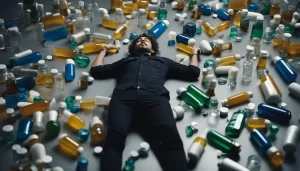
The Reality of Addiction in the Music World

Addiction in the rock music scene is often misunderstood. While the lifestyle may appear glamorous, musicians frequently encounter emotional and physical challenges that increase vulnerability to substance use. Long tours, disrupted routines, and performance anxiety can lead to unhealthy coping mechanisms. Over time, substance use may evolve into dependency that impacts mental health, relationships, and career stability.

Understanding addiction as a medical and psychological condition helps reduce stigma. Recovery becomes more attainable when individuals receive compassionate support and access to comprehensive treatment services that address both substance use and mental health needs.

Why Musicians Turn Toward Recovery

Many musicians reach a turning point when addiction begins to interfere with their creativity, health, or personal life. This moment of clarity often opens the door to meaningful change. Several factors motivate artists to seek recovery:

  • A desire to regain control over their physical and emotional well being

  • Recognition of co occurring mental health challenges such as anxiety or depression

  • Support from family members, peers, and professional counselors

  • The wish to reconnect with purpose, creativity, and personal values

Recovery is not a single event. It is a process that unfolds through commitment, support, and the willingness to explore new ways of coping.

Treatment Options That Support Lasting Recovery

Comprehensive addiction treatment often combines multiple approaches. Musicians and individuals from all walks of life benefit from programs that address their unique circumstances and goals.

Inpatient and Outpatient Care

Inpatient programs provide a structured and supportive environment where individuals can focus entirely on healing. Medical supervision, therapy sessions, and relapse prevention planning help create a solid foundation for recovery. Outpatient care allows individuals to continue daily responsibilities while receiving counseling, mental health treatment, and accountability. Both options play a valuable role depending on the level of support needed.

Holistic and Faith Based Healing

Holistic treatment emphasizes whole person wellness. Practices such as mindfulness, exercise, creative expression, and balanced nutrition help restore emotional and physical health. Faith based programs provide spiritual guidance and community support for individuals who find strength in their beliefs. These approaches can deepen self awareness and encourage long term resilience.

Individualized Treatment Plans

Each recovery journey is different. Personalized treatment plans consider mental health conditions, trauma history, lifestyle factors, and personal aspirations. Individualized care increases engagement in treatment and supports sustainable growth beyond early recovery stages.

Turning Struggle into Strength

Many musicians who have overcome addiction share a common message: recovery can lead to renewed creativity and personal growth. By embracing therapy, peer support, and healthy routines, artists often rediscover their passion for music while building stronger relationships and a healthier lifestyle. Their stories encourage others to view recovery not as an ending but as a new chapter filled with possibility.

Creative outlets such as songwriting, journaling, or visual art can help individuals process emotions during recovery. Community support groups also play an important role by providing understanding, accountability, and shared encouragement.

Supporting a Loved One in Recovery

Families, friends, and fans can make a powerful difference in someone’s recovery journey. Offering empathy, celebrating progress, and encouraging professional help create a safe environment for healing. Educating oneself about addiction and mental health treatment reduces stigma and promotes healthier communication. Recovery thrives in communities that value compassion and accountability.

Conclusion

Rock and roll has always told stories of struggle and triumph, and recovery is one of the most powerful transformations a person can experience. Musicians who turn addiction into a story of hope show that healing is possible with the right support, professional treatment, and holistic care. If you or someone you love is struggling with substance abuse or mental health challenges, reaching out for help today can begin a life changing journey. Recovery is not only about overcoming addiction. It is about rediscovering purpose, rebuilding relationships, and creating a future grounded in health, strength, and hope.

The Highs, Lows, and Healing: Navigating Substance Abuse in Rock Music

Rock music has always been known for its energy, creativity, and edge. But behind the electrifying performances and iconic albums, many musicians face a hidden struggle: substance abuse. The highs of fame and artistic success can be exhilarating, but the lows of addiction can threaten careers, health, and personal relationships. Understanding these challenges—and the paths to recovery—can provide valuable guidance for anyone navigating addiction or supporting someone who is.

Why Rock Musicians Are Vulnerable to Substance Abuse

The rock and roll lifestyle is unique, and certain factors can increase the risk of addiction among musicians:

  • High-pressure environments: The demands of touring, recording, and maintaining a public image can create significant stress.

  • Irregular schedules: Late-night performances, constant travel, and unpredictable routines can disrupt healthy habits.

  • Easy access to substances: Alcohol, drugs, and prescription medications are often readily available in music industry settings.

  • Co-occurring mental health conditions: Anxiety, depression, and trauma can go untreated, leading some to self-medicate with substances.

Recognizing these risk factors is critical for preventing and addressing substance abuse before it escalates.

Understanding the Cycle of Addiction

Addiction often begins as a coping mechanism. Musicians may initially use substances to manage stress, anxiety, or creative pressures. Over time, repeated use can lead to physical dependence, psychological cravings, and destructive behaviors. Left untreated, addiction can harm careers, relationships, and overall health.

The good news is that recovery is possible at any stage. Effective treatment addresses the underlying causes of addiction while helping individuals develop healthier coping strategies.

Paths to Recovery for Rock Stars

Recovery is a deeply personal journey, and there is no one-size-fits-all approach. Many musicians achieve lasting recovery through a combination of professional care, support networks, and holistic practices.

Inpatient and Outpatient Programs

Inpatient programs provide a structured environment for intensive treatment, including therapy, medical monitoring, and relapse prevention planning. Outpatient programs offer flexibility while still providing professional support, allowing individuals to reintegrate into daily life gradually. Both approaches can be highly effective when tailored to the individual’s needs.

Holistic and Faith-Based Approaches

Holistic recovery focuses on the connection between mind, body, and spirit. Practices such as mindfulness, meditation, exercise, and nutrition support long-term wellness. Faith-based programs can provide additional guidance, community support, and a sense of purpose, helping individuals navigate recovery with meaning and resilience.

Personalized Treatment Plans

No two journeys are alike. Individualized treatment plans consider mental health conditions, past trauma, lifestyle factors, and personal goals. This tailored approach increases the likelihood of sustainable recovery and empowers individuals to rebuild their lives on a solid foundation.

Lessons from Rock Legends

Many rock musicians have openly shared their experiences with addiction and recovery. Common themes in these stories include acknowledging the problem, seeking professional help, committing to long-term change, and building supportive networks. Their journeys demonstrate that even in the most challenging circumstances, recovery is achievable and life-changing.

Supporting Recovery Beyond the Stage

Friends, family, and fans can play a vital role in recovery. Encouraging healthy routines, celebrating milestones, and reducing stigma are essential for long-term success. Music itself can be therapeutic, offering an outlet for expression, reflection, and motivation throughout the recovery process.

Conclusion

Substance abuse in rock music is a serious but treatable issue. With professional treatment, holistic care, and individualized support, musicians and anyone facing addiction can reclaim their health, purpose, and creativity. If you or someone you love is struggling with substance abuse, reaching out for help today is the first step toward a healthier and more fulfilling life. Recovery is a journey, but with guidance and determination, healing is possible.